Hot Wheels Rare Cars & Collectible Diecast Investment Guide for 2026
Hot Wheels have been firing up collector passion for nearly 60 years, and the 2026 market is hotter than ever. What started in 1968 as an affordable 59-cent toy car has evolved into one of the world's most serious collectible categories—with some rare diecast cars commanding six-figure prices. For collectors and investors hunting hot wheels rare cars for sale or serious treasure hunt chase pieces, understanding the market fundamentals separates the informed buyer from the casual enthusiast.
The Hot Wheels Treasure Hunt Phenomenon
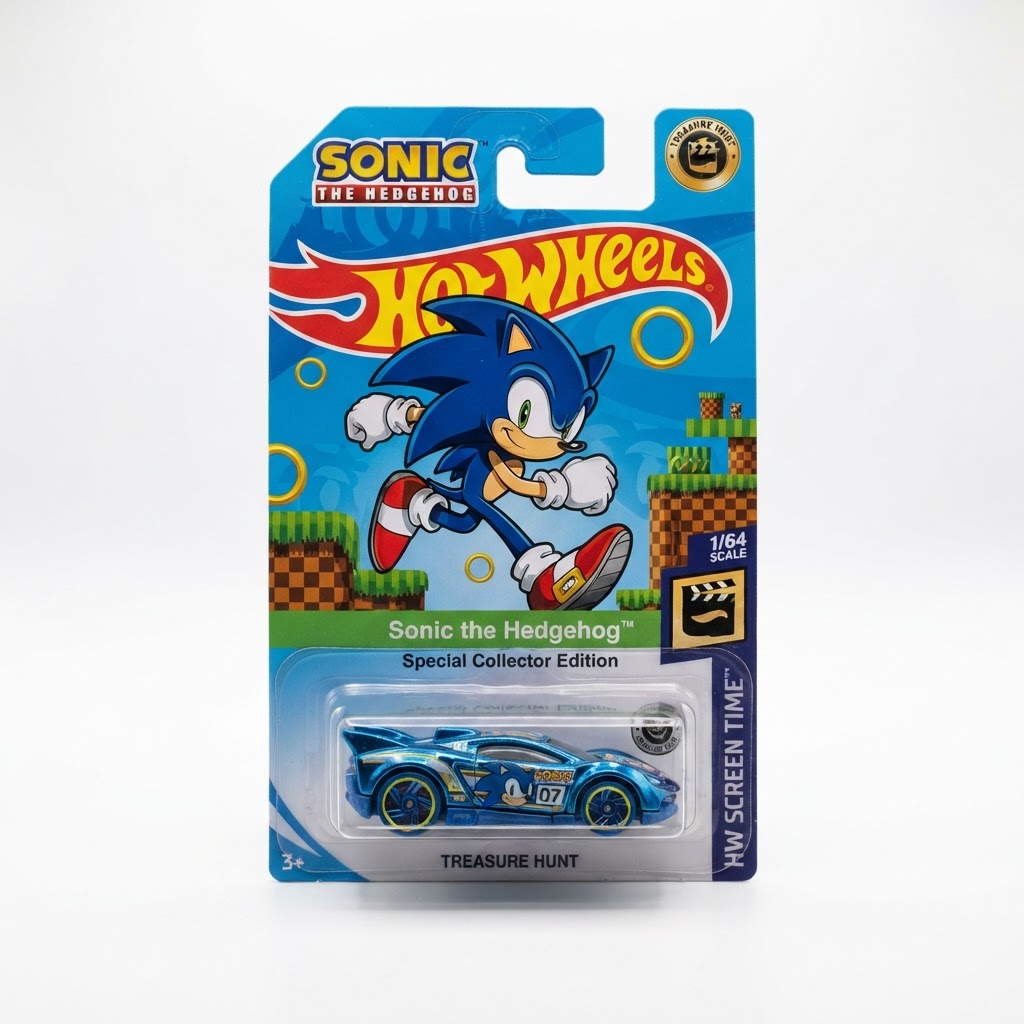
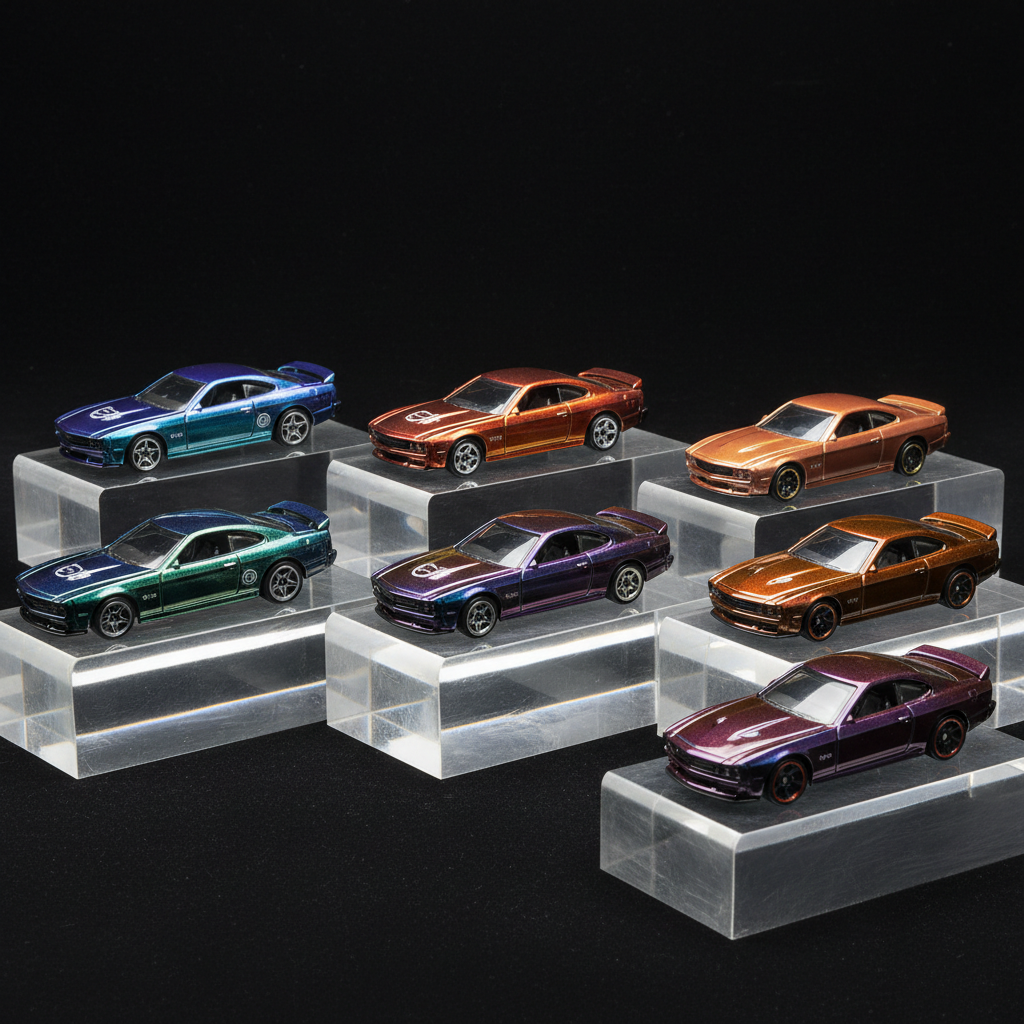
Treasure Hunts are the backbone of Hot Wheels collecting strategy. Mattel releases these ultra-rare variants within mainline assortments, featuring enhanced Spectraflame paint, better detail, and the prestige of a limited run. The 2026 super treasure hunt 2026 releases are already seeing pre-collector interest, with early cases commanding premiums on the secondary market. Each year, Mattel releases around 12-15 main-line Super Treasure Hunts per case assortment (A through L, skipping I and O), making the hunt both achievable and genuinely challenging for everyday collectors.
The chase element matters enormously. A single Treasure Hunt car in mint condition can be worth $50 to $500 depending on year, variant, and demand. First-year Supers from 1995 and other early releases push into the $100-$500 carded range. For serious players, convention exclusives and RLC (Red Line Club) drops fetch $50 to $500+, representing real collectible equity.
Grading, Condition, and Market Pricing
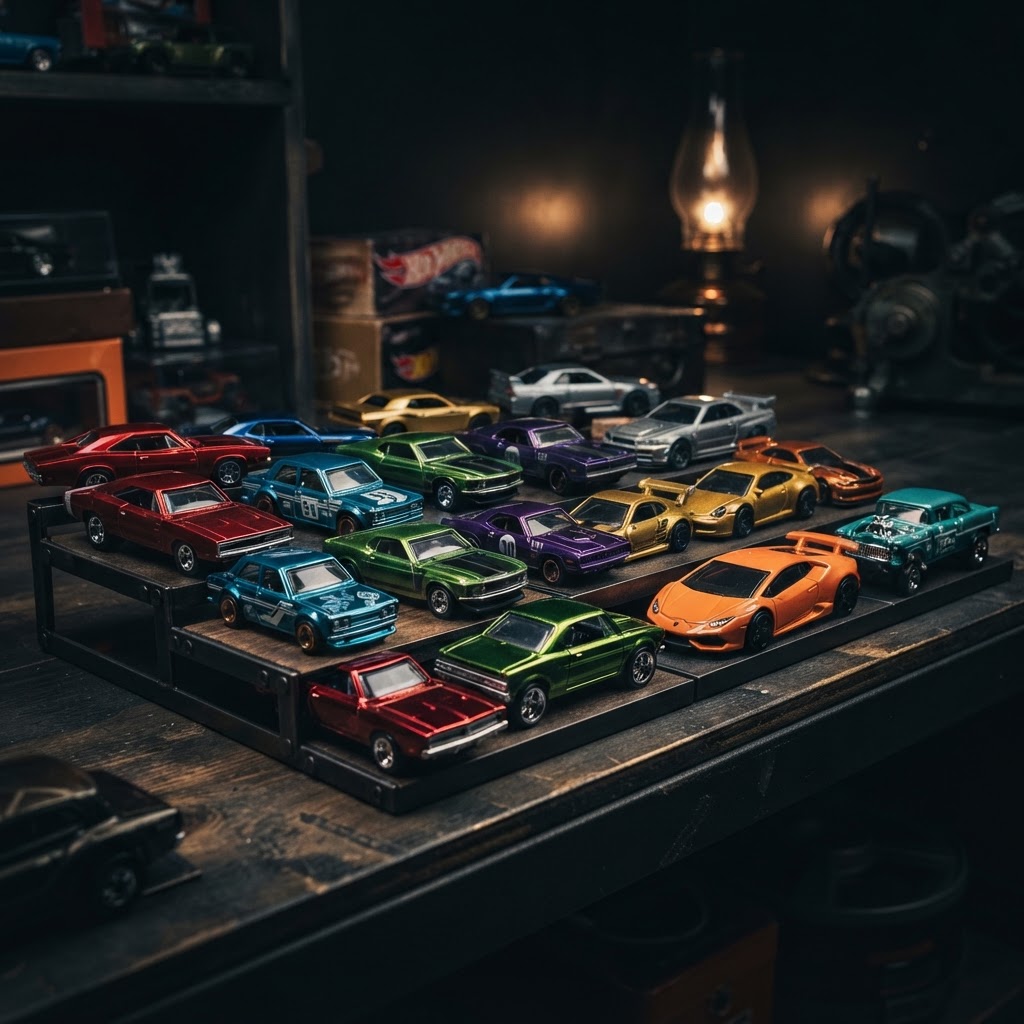
Like trading cards and other high-value collectibles, Hot Wheels value is laser-focused on condition and packaging. A common model in an uncommon color can shift from $30 to $500, $5,000, or beyond. The difference is literally in the paint—Spectraflame colors, early production runs, and rare wheel variations create the separation between mass-produced mainline cars and investment-grade pieces.
The emerging hot wheels car grading community has begun systematizing evaluation, drawing parallels to PSA, CGC, and BGS standards used in card grading. Key factors include: paint integrity, wheel condition, base quality, original packaging (if cardboard), and whether the piece is carded or loose. Mint in box (MIB) or mint carded specimens command premium multiples—sometimes 3-10x loose, played-with copies of the same model.
As of June 2026, hot wheels market prices for rare variants reflect strong collector confidence. A high-grade first-year Super from 1995 averages $200-$400 depending on model. Convention exclusives and one-off releases regularly cross the $1,000 threshold for serious examples. The rarest pieces—like the legendary 1968 Pink Rear-Loading Beach Bomb prototype, estimated at $150,000+—sit in museum-quality collections.