
Collection
Yu-Gi-Oh! Collectibles & collecting guide
 Trading Cards
Yu-Gi-Oh! Battles of Legend: Glorious Gallery Booster Pack
Konami Digital Entertainment
 Cards
Konami Yu-Gi-Oh! - Duelist's Advance Booster Box [1st Edition]
Konami
 Cards
Konami Yu-Gi-Oh! - Power of the Elements Booster Box [1st Edition]
Konami
 Cards
Konami Yu-Gi-Oh! Battles of Legend: Monstrous Revenge Booster Box
Konami
 Cards
Konami Yu-Gi-Oh! Battles of Legend: Monster Mayhem Booster Box
Konami
 Cards
Konami Yu-Gi-Oh! Legendary Duelist: Duels from the Deep Booster Box
Konami
 Cards
Konami YuGiOh Brothers of Legend Booster Box
Konami
 Cards
Konami Yu-Gi-Oh! Burst of Destiny Booster Box
Konami
 Cards
Konami Yu-Gi-Oh! Doom of Dimensions Booster Box 1st Edition
Konami
 Cards
Konami Yu-Gi-Oh! 2025 Maze of the Master 1st Edition Booster Box
Konami
 Cards
Konami Yu-Gi-Oh! Ancient Guardians 1st Edition Booster Box
Konami
 Pre-order
Youtooz Yu-Gi-Oh! Red Chrome Slifer the Sky Dragon Vinyl Figure
Youtooz
 Collectible Figures
Youtooz Yu-Gi-Oh! Gold Chrome The Winged Dragon of Ra Vinyl Figure
Youtooz
 Pre-order
Youtooz Yu-Gi-Oh! Blue Chrome Obelisk the Tormentor Vinyl Figure
Youtooz
 Cards
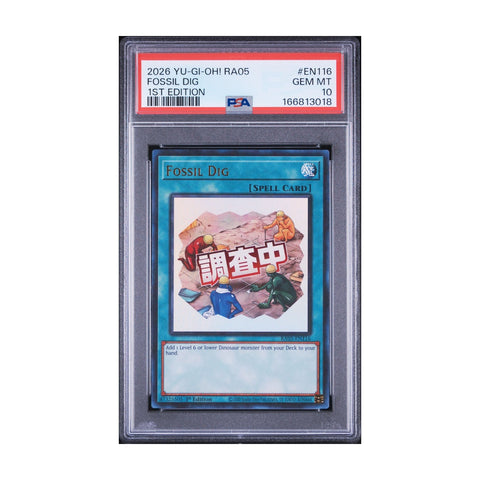
Yu-Gi-Oh! Fossil Dig RA05-EN116 Rarity Collection 5 Starlight Rare PSA 10
Yu-Gi-Oh!
 Cards
Yu-Gi-Oh! Ancient Gear Fusion RA05-EN063 Rarity Collection 5 Platinum Secret Rare PSA 10
Yu-Gi-Oh!
 Cards
Yu-Gi-Oh! Mulcharmy Purulia INFO-EN027 Infinite Forbidden 1st Edition PSA 9
Yu-Gi-Oh!
Explore Yu-Gi-Oh! card releases, deck products, foil treatments and sealed-product formats with practical guidance for players and collectors.
Choose the kind of Yu-Gi-Oh! collection you want
Yu-Gi-Oh! brings several distinct interests into one card catalog: learning to Duel, following a favorite animated series, building a deck, opening a named booster, and collecting a particular printing. Mystery Collective's selection includes sealed packs and named deck products. Start by choosing which of those purposes matters to you, because they call for different comparisons.
A deck-focused buyer needs to identify the exact cards and format involved. An artwork collector may care more about the treatment and edition. Someone revisiting a familiar character may want a themed product without intending to compete. None of those goals requires a promise of long-term value or tournament success. A clear collecting brief makes it easier to compare a Legendary deck product with a Rarity Collection pack without pretending they offer the same experience. Use the product name as the beginning of the research, not its conclusion.
Early booster heritage and later reissues
Konami identifies Legend of Blue Eyes White Dragon as the first Yu-Gi-Oh! Trading Card Game booster set. Its 2023 standalone reissue formed part of the card game's anniversary celebration, revisiting a release associated with cards such as Exodia the Forbidden One and Raigeki. That is a useful example of how this product line maintains a conversation with its own earlier card history.
For collecting, a returning set name makes printing details especially important. A later issue can celebrate an earlier release without becoming the original edition. Record the set identifier, language, edition marking and any relevant packaging information before comparing cards or sealed products. If your goal is nostalgic artwork rather than a specific historical printing, say that clearly in your checklist. It can save considerable confusion when two cards look familiar but represent different collecting targets. Familiarity is a reason to investigate, not a substitute for identifying the item.
New visual treatments alongside gameplay cards
Rarity Collection V illustrates another direction in the product range. Konami's April 2026 release introduced extended-art cards to the Yu-Gi-Oh! TCG, with a separate variant-art slot in its five-card packs. The official description also distinguishes that slot from the main pool of cards and their multiple rarity treatments. This is a documented design milestone, not evidence that every pack contains a particular character or desired treatment.
For a collector, the practical question is which version you actually want. A card name alone is not enough when different finishes and artwork treatments share that identity. For a player, aesthetic preference is a separate decision from whether a card belongs in the intended deck. Make two columns in your planning notes: the gameplay card you need and the printing you would prefer. That keeps an optional visual upgrade from being mistaken for a requirement to enjoy the game.
Booster packs and deck products serve different purposes
Mystery Collective's catalog includes Rarity Collection V Booster Pack, Burst Protocol Booster Pack, Blazing Dominion Booster Pack and Maze of Muertos Booster Pack. It also includes Legendary 5D’s Decks, Legendary ARC-V Decks and THE CHRONICLES DECK: Spirit Charmers(All-Foil Edition). Compare these as specifically named products rather than assuming every box supplies the same type of card selection or starting experience.
The public selection also includes Legendary Modern Decks 2026, Magnificent Monsters and Magnificent Maestros. Read the full title before deciding what role a product would have in your collection. A deck-focused package and a booster release should not be treated as interchangeable ways to obtain a chosen card. Check the individual contents, language and edition, then compare the product with the cards you already own. For a returning player, that inventory can reveal whether a structured deck or a smaller, targeted addition is the more useful starting point.
Check the intended format before buying for play
Konami's deck-construction page distinguishes Forbidden, Limited and Semi-limited cards for Advanced and Traditional formats. It also links a separate point-based Genesys system. These distinctions make a broad statement such as tournament legal inadequate without knowing which format and event you mean. A card's presence in a current product or a graded holder does not answer that question.
Before choosing cards for an event, consult the current official list and the event's requirements. A returning player should also separate a remembered deck from the version they intend to play now. Write down missing cards, check their current status, and decide whether the goal is a casual recreation or an organized-play deck. That makes later purchases more deliberate. For a collection that will never be played, format changes may matter less, but preserving the card's exact identity remains useful for cataloging and avoiding accidental duplicate purchases.
Keep product context with the cards
Yu-Gi-Oh! collections become easier to manage when names are supported by identifiers. Keep set codes and printing notes with binder entries, and retain enough packaging information to distinguish sealed releases. Separate a wish list of specific singles from a plan to open boosters for enjoyment. Randomized products should not be treated as a guaranteed route to the exact card or finish you have written down.
When a relevant Mystery Collective update, guide or Radar item is available, use it to investigate the specific release discussed. An explanation of a foil treatment, a deck product or a rules change serves different needs. Match that information to the actual product page and official documentation rather than carrying assumptions from one expansion into another. The most useful collection history records what an item is and why you chose it, while leaving speculation about future price or competitive dominance out of the purchasing decision.
FAQs
Does a reissued booster name identify an original printing?
No. Konami has revisited earlier releases, including Legend of Blue Eyes White Dragon in 2023. Check the precise printing, edition, packaging and card identifiers. A nostalgic set title can describe a later product rather than the original release.
How should I compare a graded single with a sealed booster?
They serve different goals. A graded listing describes an identified card and stated grade, which should be checked against its photographs and certification information. A sealed booster is a different collecting experience and does not guarantee the exact single or treatment you want.
Sources
Pre-orders
Pre-orders are open
Reserve upcoming releases before they land. Full refund any time before it ships.