
The Collector’s Shelf
WWE
Explore WWE collectibles through WrestleMania milestones, performer personas and the distinction between a character portrait and a specific remembered match.
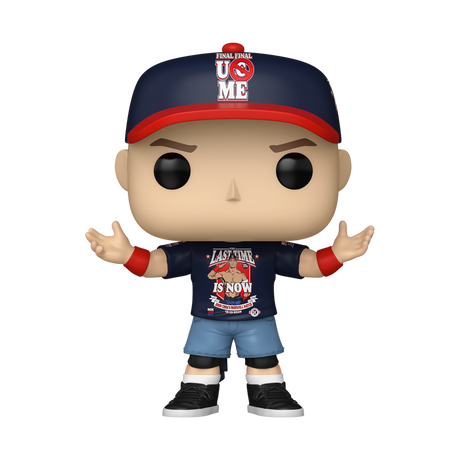
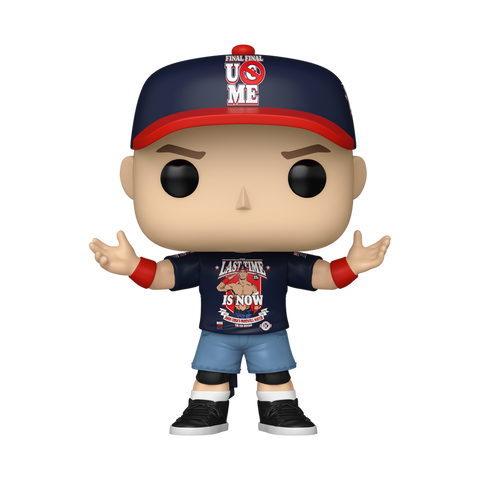
Explore WWE collectibles through WrestleMania milestones, performer personas and the distinction between a character portrait and a specific remembered match.
A live event can become the center of a collection
WWE’s own WrestleMania history dates the first event to March 31, 1985, at Madison Square Garden in New York. Its account identifies the main event as Hogan and Mr. T against Roddy Piper and Paul Orndorff. That is a specific landmark in the company’s event history, not the founding date of the entire organization or an origin date for every performer associated with it.
A WWE collection can therefore be organized around an event rather than an all-purpose roster. The date, venue and participants provide a clear boundary for research. Another collector may prefer one performer across different phases of a career. Decide which project you are building before choosing the objects. A portrait of a wrestler and an item commemorating a particular match can both be meaningful, but they answer different questions about what you want to remember.
The Rock and Hogan provide a distinct later reference
WWE’s Icon vs. Icon retrospective identifies The Rock and Hulk Hogan’s encounter at WrestleMania X8 in 2002. This is a later event than the inaugural WrestleMania, despite Hogan appearing in both histories. Keeping the event number and year visible prevents a broad nostalgia label from blurring separate moments. It also gives a match-focused collection a precise reference point without requiring a ranking of its importance against every other encounter.
The Mystery Collective catalog includes The Stare Down - The Rock vs Hulk Hogan from Agoro. Its title identifies the two subjects and a particular kind of image, but the title alone should not establish the exact photographed instant or all of the product’s material specifications. Consult the official release details for that identification. A display can honor the remembered matchup while remaining careful about what the physical object actually depicts.
A performer’s name does not identify every era
The catalog includes Pop! Bron Breakker, Pop! Ron Simmons and Pop! Shinsuke Nakamura from Funko. These are named performer portraits, not a statement that the figures represent one shared event or period. A wrestler’s costume, presentation and persona can be central to how a particular release is understood, so inspect the actual imagery rather than relying on the name alone.
For a performer-led collection, record the appearance the object represents when official information supports that identification. Avoid assigning a specific match simply because a costume seems familiar. If you prefer a broader design survey, you can focus on posture, expression and recognizable presentation without inventing event continuity. A mixed-era arrangement works best when it is openly retrospective, allowing each portrait to remain meaningful without pretending that the selected performers appeared together in the same moment.
A deluxe label is not a complete scene description
Pop! Deluxe CM Punk is another local catalog entry. The Deluxe designation distinguishes its product record, but it should not be used as a substitute for examining the full release. Determine what the actual presentation includes before planning a scene around it. A name and format label alone do not establish a particular venue, match outcome or career milestone.
Think about the role this object would play beside simpler portraits. A more elaborate presentation may become the focal point of a shelf, which can be useful if CM Punk is the subject of your project. If you want an evenly balanced roster, that same prominence may need a separate space. Compare the whole composition rather than just the character likeness. The collecting choice should follow the story or visual emphasis you want, not an assumption that a larger-format label automatically makes an object the essential version.
An era label is a curatorial frame, not a guarantee
WWE: Golden Era Legends - Blind Box and WWE: Golden Era Legends - Blind Box — 10-Pack are Agoro records in the catalog. Their titles combine an era-oriented theme with a blind selection format. They do not establish that a specific performer will be received, that a multi-pack completes a set or that every possible subject belongs to an exact date range inferred from the phrase Golden Era.
If your collection depends on a particular wrestler or event, research the official checklist and packaging information before treating a blind product as the missing item. If you enjoy the discovery format itself, keep that goal separate from a precise portrait checklist. Nostalgic wording can help introduce a collection, but the actual contents should determine how individual pieces are documented. Use the manufacturer’s stated specifications for any material claims rather than extrapolating from the brand or presentation style.
Separate the performer, persona and remembered moment
A thoughtful WWE display can distinguish three layers: the real performer, the on-screen presentation and the particular event or image being remembered. That does not require a long biography on every label. A concise identification of the release and its verified context is often enough. Be careful not to turn a dramatic pose or a promotional nickname into an unsupported claim about the person’s private life or career achievements.
Relevant guides and updates can help resolve a costume reference, release edition or commemorated matchup. Keep those findings attached to the exact object. You might build a WrestleMania-focused arrangement, a small portrait collection or a comparison of how different formats capture one performer. Each has a useful stopping point. Catalog visibility supports research and comparison rather than confirming stock, and the strongest additions are those that sharpen the collection’s chosen story instead of merely expanding its roster.
FAQs
Is WrestleMania’s 1985 debut the same as WWE’s founding date?
No. The March 31, 1985 date identifies the first WrestleMania event at Madison Square Garden. Use it as an event milestone rather than the origin date of the whole organization.
Does a ten-pack of blind boxes guarantee every featured legend?
The catalog title does not establish that guarantee. Check the official checklist and collation information before expecting a complete set or a particular performer. A larger package remains a different proposition from selecting a specifically identified collectible.
Sources
Pre-orders
Pre-orders are open
Reserve upcoming releases before they land. Full refund any time before it ships.