
The Collector’s Shelf
Ultraman
Explore Ultraman’s 1966 television milestones, Tiga’s changing forms and the different ways heroes and aliens become collectible interpretations.
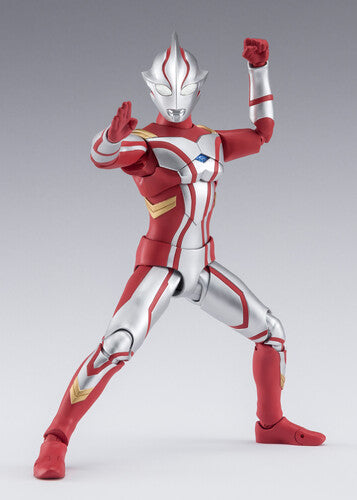
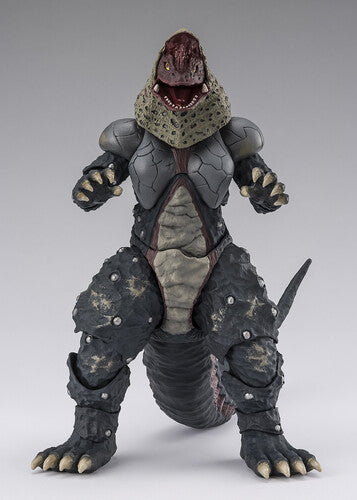
Pre-order: Ultraman
All pre-orders → Pre-order
Ultraman Mebius S.H.Figuarts Action Figure (Ultra Galaxy Fight: The Destined Crossroad)
Tamashii Nations
 Pre-order
Ultraman Tiga Golza 30th Anniversary Edition S.H.Figuarts Action Figure
Tamashii Nations
Releases Estimated December 2026
 Pre-order
S.H.Figuarts Ultraman - Ultraseven (Shinkocchou Seihou) (60th Anniversary Edition)
Bandai Spirits
Releases Estimated August 2027
 Pre-order
S.H.Figuarts Ultraman - King Joe (60th Anniversary Edition)
Bandai Spirits
Releases Estimated September 2027
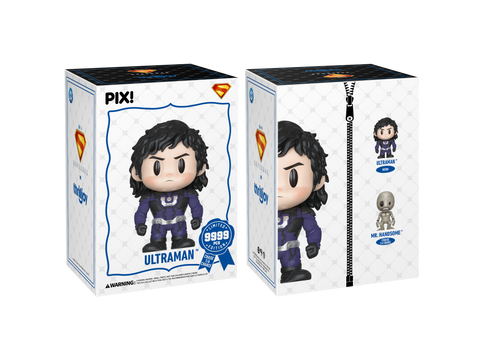 Pre-order
Superman (2025 Movie) Ultraman Pix! Vinyl Figure
Thrilljoy
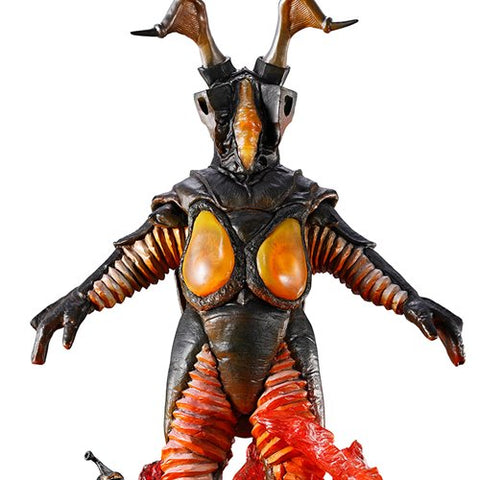 Pre-order
Ultraman 60th Anniversary Zetton One Trillion Degrees Fireball Version Ichibansho Statue
Bandai Spirits

Explore Ultraman’s 1966 television milestones, Tiga’s changing forms and the different ways heroes and aliens become collectible interpretations.
Two July dates describe different beginnings
Tsuburaya Productions explains that the first Ultraman episode, Ultra Operation No.1, aired on July 17, 1966. A promotional program, Ultraman Eve: The Birth of Ultraman, had already appeared on television on July 10, with the hero, creatures, team members and creator Eiji Tsuburaya. The earlier broadcast explains Ultraman Day, while the later date identifies the start of the television series itself.
For a retrospective collection, that distinction offers a useful lesson in precise labeling. An anniversary can commemorate a public introduction rather than a first episode, and a collectible’s own release date is another event again. Keep those dates separate instead of reducing them all to a generic birthday. A short, accurate caption can give a figure historical context without overwhelming the display or implying that a modern interpretation was made during the original broadcast period.
The original series includes more than its central hero
Tsuburaya’s original-series record identifies Ultraman as a 1966 television production of thirty-nine episodes and lists Alien Baltan among its character appearances. That gives a hero-and-alien comparison a documented connection to the original program. It does not mean every later collectible of either subject uses an identical design, pose or material treatment.
Mystery Collective’s catalog includes Ultraman Vinyl Figure and Ultraman - Alien Baltan Vinyl Figure from Handmade By Robots. A pairing can emphasize the contrast between their outlines instead of trying to stage a specific confrontation. Give both subjects enough room to remain individually legible. If you want a scene-based arrangement, verify the precise interpretations first. A shared original-series connection supplies historical context, while exact screen fidelity still depends on the particular objects you select.
A named form carries a particular fictional meaning
Tsuburaya’s Tiga profile identifies three forms: Multi Type, Sky Type and Power Type. It explains that the body markings change color and that the forms have different abilities, allowing Tiga to adapt to opponents. This makes a form label meaningful character information, not merely an arbitrary edition name attached to otherwise interchangeable figures.
The catalog includes Ultraman Tiga FigZero Ultraman Tiga Multi Type from threezero. Preserve the full character and form name in your records. A display comparing Ultraman interpretations should not treat Tiga as simply another finish of the original hero. You can organize several designs under a broad family resemblance while still identifying their differences. That approach allows viewers to appreciate both the shared visual language and the particular subject represented by each release.
A film title and collaboration label narrow the subject
SHIN ULTRAMAN FigZero 12-inch Ultraman (SHIN ULTRAMAN) - PHANTACI EDITION is another local threezero record. Its title carries both a specific screen context and an edition designation. Those identifiers should remain attached to the product when comparing it with a general Ultraman figure or with Tiga. The title alone does not explain every design change, accessory or feature of the edition.
A cross-interpretation collection can use these distinctions as its main subject. Place the objects so differences in proportions and surface treatment are easy to observe, rather than forcing them into a supposedly uniform scale. If a collaboration is the reason for your interest, research the exact official description before attributing a particular color or design choice to an artist. A precise edition record supports a more useful comparison than a broad claim that all Ultraman figures are versions of one identical suit.
Alternate treatments create a separate visual comparison
Ultraman - Alien Baltan Translucent Limited Edition Vinyl Figure and Ultraman Diamond Exclusive Limited Edition Vinyl Figure are Handmade By Robots entries in the catalog. Their qualifiers identify product treatments or editions. They do not establish a production quantity, a guaranteed lighting effect or the presence of literal diamonds, and should not replace the manufacturer’s specifications.
A finish-focused arrangement can sit alongside a character-focused one without confusing the two. You might compare two Baltan treatments to see how the same subject reads under different material effects, while keeping a separate hero-and-alien pairing as the narrative center. Evaluate the objects under the light in which they will normally be displayed. A special finish should contribute a visible idea to the collection rather than being treated as automatically superior because its name sounds more unusual.
Make the version visible before the collection grows
An Ultraman collection is easier to understand when every record includes the specific hero, form or screen interpretation, followed by the manufacturer and edition. That simple habit prevents broad franchise recognition from hiding meaningful differences. It also helps you decide what a new release would add: another character, a new form, a distinctive treatment or a more expressive portrayal of something already represented.
Relevant guides and updates can help resolve those questions, particularly when similar names recur across television, film and designer editions. Use verified context rather than assuming that proximity in a catalog establishes chronology or compatibility. A focused pairing, a Tiga form study or a small retrospective can each be satisfying without covering the whole franchise. A small label beside each object can identify its screen title and form without requiring viewers to recognize subtle costume differences. This is particularly helpful when original heroes, later successors and designer treatments share a shelf. Catalog visibility supports discovery and comparison, not stock assurances. The strongest display makes its chosen idea clear while allowing each interpretation to retain its own identity.
FAQs
Why is Ultraman Day earlier than the first episode date?
Tsuburaya identifies July 10, 1966 as the broadcast of the promotional Ultraman Eve program. The first series episode followed on July 17. The two dates commemorate different television appearances.
Is Tiga Multi Type simply an edition finish for the original Ultraman?
No. Tiga is a specifically identified hero, and Multi Type is one of the forms described in Tsuburaya’s character profile. Keep the character and form distinct from manufacturer edition or finish labels.
Sources
Pre-orders
Pre-orders are open
Reserve upcoming releases before they land. Full refund any time before it ships.