
The Collector’s Shelf
Power Rangers
Explore Power Rangers’ 1993 beginnings, team-based visual identity and the distinction between Zeo figures and The Return’s alternate comic-book future.
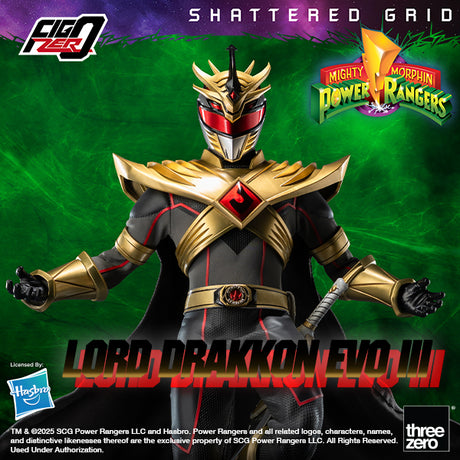

Pre-order: Power Rangers
All pre-orders →
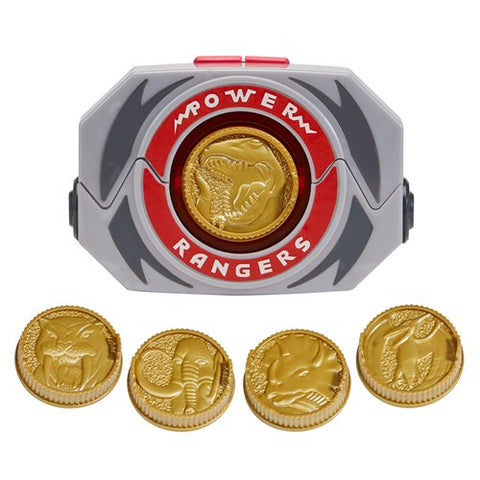
Explore Power Rangers’ 1993 beginnings, team-based visual identity and the distinction between Zeo figures and The Return’s alternate comic-book future.
Color identifies a team, but not the whole history
Hasbro’s franchise history identifies Haim Saban as the creator of Power Rangers and places its launch in 1993 with Mighty Morphin Power Rangers. It also records the 2023 anniversary special Mighty Morphin Power Rangers: Once & Always. Those milestones give a retrospective a clear starting point, but the franchise’s name should not be used to flatten different teams and interpretations into one unchanged cast.
For collecting, color is an efficient visual cue and an incomplete identifier. A red suit can belong to a specific team, character and story context, so preserve the full release title rather than recording only “Red Ranger.” A collection becomes easier to understand when its organizing idea is explicit: one team, one generation, one color across different designs or a comparison between television and comics. Each approach creates a different kind of history on the shelf.
The Return imagines a different future
BOOM! Studios describes Mighty Morphin Power Rangers: The Return as an alternate-universe story by Amy Jo Johnson and Matt Hotson, with art by Nico Leon. Its first-issue preview imagines the original team separated after a costly victory, then brought back toward one another twenty-two years later. This is a documented alternate future, not an automatic continuation of every television storyline associated with the original Rangers.
That distinction matters when collecting a product tied to The Return. A familiar helmet or color may carry a different narrative context from an early television portrayal. Keep the comic subtitle visible on display notes and research records. A cross-media arrangement can be rewarding when it shows how a recognizable identity is reconsidered, but it should not imply that all versions belong to the same moment. The creative variation is part of the appeal, rather than a detail to hide.
One named comic release supplies a focused collecting subject
Mystery Collective lists Mighty Morphin Power Rangers: The Return FigZero 1/6 Red Power Ranger from threezero, along with Mighty Morphin Power Rangers: The Return FigZero 1/6 Red Power Ranger (Exclusive Version). The shared subtitle establishes the comic connection in the catalog. The edition qualifier, however, does not by itself explain what differs physically between the two records.
If The Return is your focus, compare the exact manufacturer descriptions before treating both as separate design subjects. Look for verified changes in presentation, supplied parts or appearance rather than assuming the word exclusive guarantees a different sculpt. One interpretation may already express the aspect of the comic that matters to you. A useful collecting note should explain why a version belongs in the project, not merely repeat its edition label or imply that a more qualified name is inherently preferable.
A numbered team makes the ensemble legible
The catalog’s Zeo entries include Power Rangers Zeo FigZero 1/6 Zeo Power Ranger I Pink, Power Rangers Zeo FigZero 1/6 Zeo Power Ranger II Yellow and Power Rangers Zeo FigZero 1/6 Zeo Power Ranger III Blue. Their numbering and colors make a distinct team identity visible in the product names. Keep both pieces of information when comparing releases, rather than reducing them to a generic set of colored Rangers.
An ensemble arrangement can emphasize the relationship between repetition and variation. Similar costume structures create unity, while the individual colors and identifying features keep each member readable. Avoid placing one figure so far behind the others that its identity disappears. A straight lineup can work as a uniform study; a more open grouping can suggest coordinated action. The best choice depends on whether you want to show the designs themselves or the idea of a team operating together.
Define what a team project means to you
Power Rangers Zeo FigZero 1/6 Zeo Power Ranger IV Green and Power Rangers Zeo FigZero 1/6 Zeo Power Ranger V Red extend that numbered local selection. A separate Power Rangers Zeo FigZero 1/6 Zeo Power Rangers Pack record is also present. Its title should prompt inspection of the exact contents rather than an assumption that every individually listed item or accessory is included in the package.
A team-centered collection benefits from a clear stopping point. You might want one representation of each named member, a smaller grouping of personal favorites or a comparison of helmet shapes. None of those goals requires acquiring every edition. If you already have separate figures, investigate a pack as its own product before assuming it adds something new. Completeness is most useful when it describes a bounded project, not an obligation that expands whenever another listing appears.
Let different eras remain different
The Return and Zeo can sit within a broader Power Rangers retrospective while retaining their own identities. Use separate small groupings or concise labels so the transition is clear. A shared red color can connect two objects visually without making them the same character portrayal. That kind of comparison is more interesting when the distinction is explained rather than erased.
Relevant guides and updates can help identify a particular team, story source or edition difference. Keep those answers with the full title and any manufacturer identifier. Before adding another release, ask whether it advances the collection’s chosen idea: team unity, design evolution or a specific narrative interpretation. Catalog records provide references for research, not assurances of stock. A well-organized Power Rangers display makes its color language immediately inviting while leaving enough context for viewers to understand the particular team or story each object represents.
FAQs
Is The Return the same continuity as every Power Rangers television series?
No. BOOM! Studios explicitly presents The Return as an alternate-universe future for the original team. Preserve that comic context when identifying a collectible instead of assuming it reproduces an early television portrayal.
Does a shared Ranger color identify the same release?
No. Record the team or story subtitle, character designation and edition as well as the color. A red Ranger from The Return and a Zeo Ranger V Red entry are distinct catalog subjects, even if color provides a useful visual connection.
Sources
Pre-orders
Pre-orders are open
Reserve upcoming releases before they land. Full refund any time before it ships.