
The Collector’s Shelf
Marilyn Monroe
Explore Marilyn Monroe’s film achievements, portrait traditions, and Keepsake card designs, with careful distinctions between imagery, relics, and signatures.

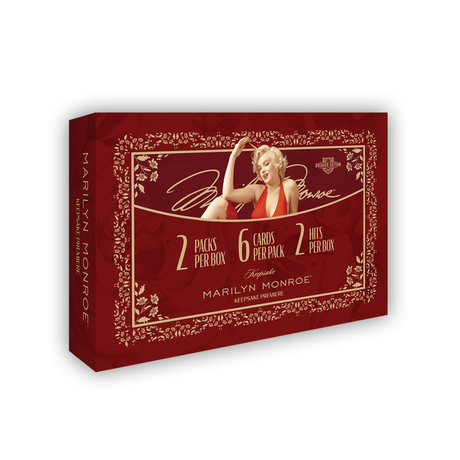
Pre-order: Marilyn Monroe
All pre-orders →
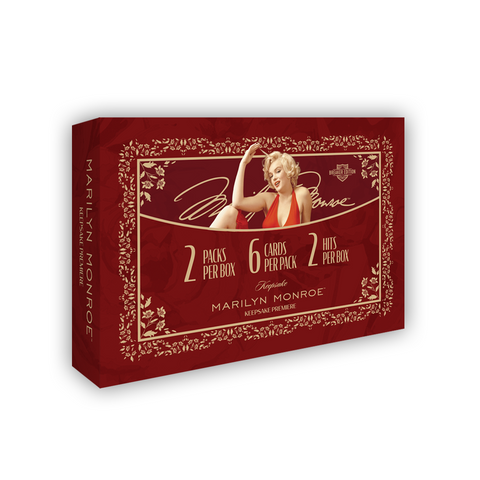
Explore Marilyn Monroe’s film achievements, portrait traditions, and Keepsake card designs, with careful distinctions between imagery, relics, and signatures.
Collecting the work as well as the image
Marilyn Monroe’s collectibles can be approached through her performances, her photographic collaborations, or the later artworks inspired by her image. The Golden Globes’ career record includes Gentlemen Prefer Blondes, How to Marry a Millionaire, and Niagara in 1953, followed by films such as Bus Stop and Some Like It Hot. This range is useful context for a collection that might otherwise reduce an entire career to one familiar photograph or costume.
Start by deciding which relationship to the work interests you. A film-centered collection should identify the production and role where the image permits; a portrait collection should prioritize the photographer, session, and date where known. Those are different organizing systems, and neither requires collecting every depiction. A thoughtful group of images can show changes in expression, setting, or presentation while remaining respectful of the person behind them. Recognition is a beginning, not a substitute for identifying the actual subject of an image.
A concrete milestone in screen comedy
Monroe won the 1960 Golden Globe for leading actress in a musical or comedy for Some Like It Hot, after a nomination for Bus Stop in 1957. The award distinguishes a specific performance from the broader idea of celebrity. AFI’s catalog identifies her role in Some Like It Hot as Sugar Kane and documents Billy Wilder’s film as a lasting part of American screen comedy. These are grounded achievements that can inform a collection without making claims about the future desirability of memorabilia.
When selecting a film-related image, ask whether it represents a character within the story or Monroe posing outside it. The two can look similar, especially when costume and publicity photography overlap. Keep uncertain identifications provisional. A small caption that correctly names a performance is more informative than an elaborate but unverified account of where a photograph was taken or what the actor was thinking at the time.
A participant in making the image
The National Portrait Gallery’s 2026 centenary exhibition announcement emphasized Monroe’s creative involvement in photographic sessions, including her ability to direct aspects of the work and reject images she disliked. It brought together photographs and art by figures including Richard Avedon, Eve Arnold, Andy Warhol, and Pauline Boty. The curatorial focus provides a useful corrective to treating every portrait simply as an image imposed on a passive subject.
For collectors, this suggests looking beyond the most instantly recognizable pose. Compare eye line, cropping, background, and the relationship between the subject and camera. A quiet portrait and a theatrical publicity image can sit together without one being more authentic by default. Avoid projecting an emotional biography onto an expression alone. Describe what is visible and credit the maker when known; interpretation can remain personal without pretending to establish private facts about the sitter.
From photograph to graphic design
The National Portrait Gallery explains that Warhol’s Monroe imagery drew on a publicity still associated with Niagara. That is one example of a photograph taking on a new life through another artist’s treatment. It does not mean every colorful Monroe portrait is a Warhol work, or that every modern Pop Art label identifies a reproduction licensed from his estate. Artist attribution and general design style are different kinds of information.
When comparing collectible images, look for what has been changed: color, cropping, repetition, background, or the addition of a decorative frame. Those changes can alter the emphasis even when the underlying face remains familiar. A useful display might compare photographic presentation with a clearly credited graphic interpretation, explaining the contrast in ordinary language. Do not identify an artist from resemblance alone. If the package names a design category but no artist, preserve that limited description rather than filling the gap with a famous name.
The Keepsake card collection
The catalog includes Marilyn Monroe Keepsake Premiere Breaker Box and Marilyn Monroe Keepsake Premiere Breaker 10 Box Case. Keepsake describes a 100-card base checklist and named insert approaches including Spotlight, Global Icon, Mural, Pop Art, Admit One, and Close Up. These names point toward varied framing of the subject, but they are not a guarantee that every box contains every visual treatment.
The maker also distinguishes relic categories from a cut-autograph chase associated with a signed check. Preserve those distinctions when describing an item. A printed signature-style design should not be called a hand-signed card, and a relic claim should be recorded using the actual accompanying statement rather than expanded into an assumed film or event connection. A package title alone cannot establish the provenance of an individual component. Read the card and its documentation before deciding how to label it.
A film-and-portrait collection with context
A compact Monroe collection can be organized as a visual essay rather than an accumulation of repeated faces. Choose a question: how does publicity differ from portraiture, how does graphic design change a familiar image, or how is a performer represented across different roles? Then select pieces that genuinely help answer it. Leave gaps where the evidence is missing instead of inventing a photographic session or attaching an unsupported story to an attractive object.
Keep a record of the depicted work, photographer or artist, image date if established, card-release date, and the source of each identification. These dates may be different, and retaining them prevents a contemporary collectible from being mistaken for a period artifact. Save both front and back photographs so credits and descriptive text remain accessible. The aim is a collection that invites closer attention to Monroe’s work and visual legacy, without relying on rumor, sensational biography, or exaggerated claims about collectible value.
FAQs
Do all colorful Marilyn Monroe designs reproduce Andy Warhol?
No. A broad Pop Art description does not establish authorship. Check the artwork credit and licensing information for the specific piece. Warhol’s documented use of Monroe imagery provides historical context, not an attribution for unrelated modern designs.
Does a ten-box case guarantee a Monroe autograph?
The catalog title describes a packaging format, not a guaranteed individual signature. Keepsake lists a cut-autograph chase separately from other card categories. Read current product details and the individual card’s authentication wording rather than treating the larger format as a promise.
Sources
Pre-orders
Pre-orders are open
Reserve upcoming releases before they land. Full refund any time before it ships.