
Collection
LEGO Collectibles & collecting guide
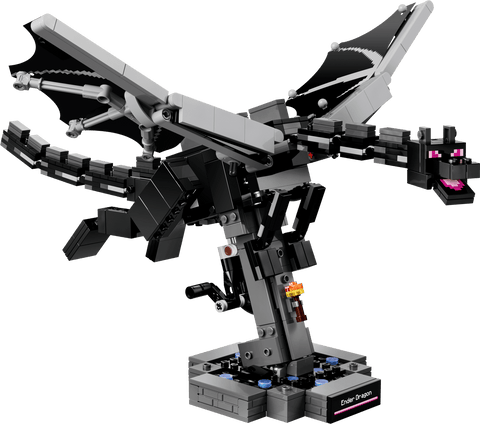 Building Set
LEGO Minecraft The Ender Dragon (21595)
LEGO Group
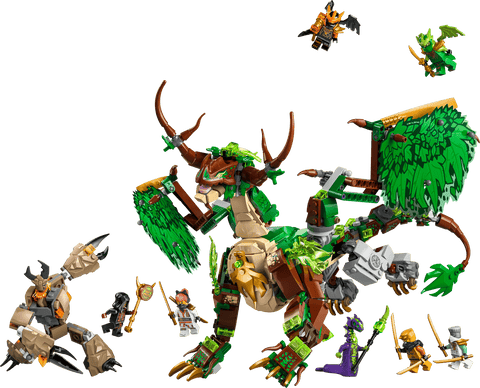 Building Set
LEGO NINJAGO The Dragon of Life (71859)
LEGO Group
 Building Set
LEGO Star Wars The Darksaber (40917)
LEGO Group
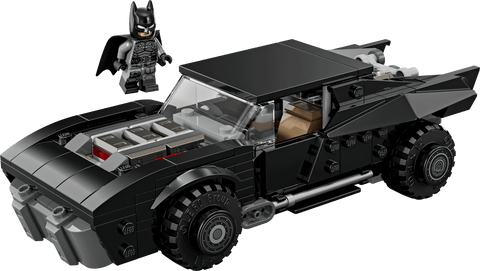 Building Set
LEGO The Batman Batmobile (76332)
LEGO Group
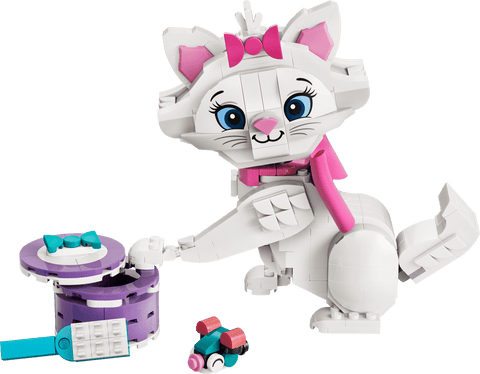 Building Set
LEGO Disney The Aristocats Adorable Marie (43286)
LEGO Group
 Building Set
LEGO Marvel Team Spidey Webquarters (10464)
LEGO Group
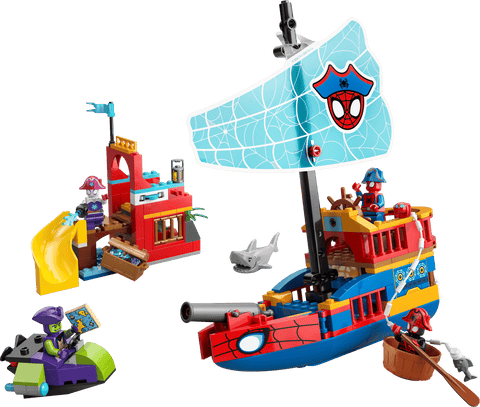 Building Set
LEGO Marvel Team Spidey Pirate Ship (11208)
LEGO Group
 Building Set
LEGO Sonic the Hedgehog Tails' Tornado-1 (77119)
LEGO Group
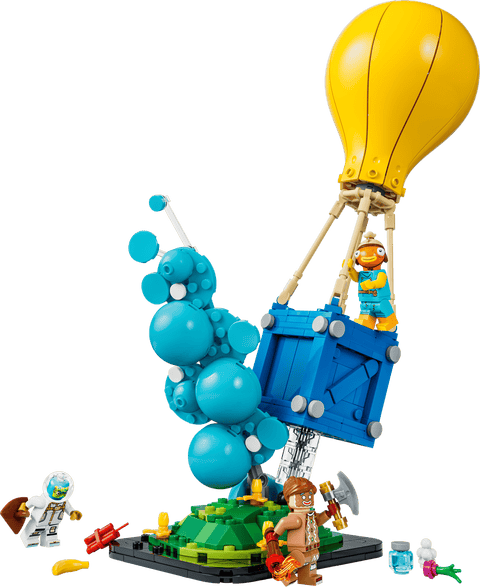 Building Set
LEGO Fortnite Supply Drop (77080)
LEGO Group
 Building Set
LEGO Botanicals Sunflower Bouquet (11502)
LEGO Group
 Building Set
LEGO Stranger Things: The Creel House (11370)
LEGO Group
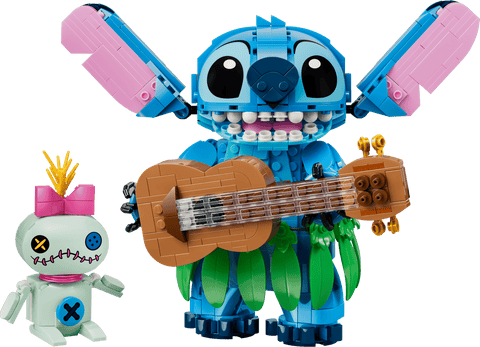 Building Set
LEGO Disney Stitch and Scrump (43296)
LEGO Group
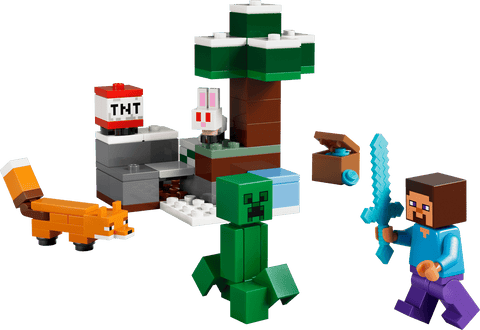 Building Set
LEGO Minecraft Steve's Taiga Adventure (21583)
LEGO Group
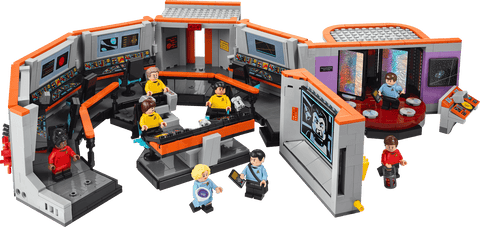 Building Set
LEGO Icons Star Trek: U.S.S. Enterprise NCC-1701 Bridge (11385)
LEGO Group
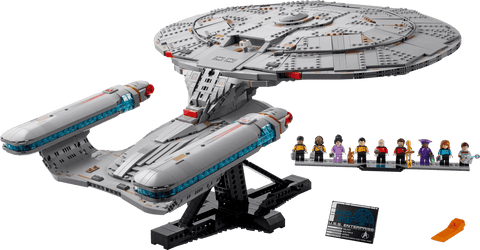 Building Set
LEGO Icons Star Trek: U.S.S. Enterprise NCC-1701-D (10356)
LEGO Group
 Building Set
LEGO Icons Star Trek: Type-15 Shuttlepod (40768)
LEGO Group
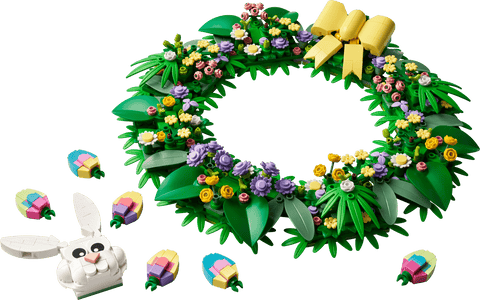 Building Set
LEGO Spring Wreath (40957)
LEGO Group
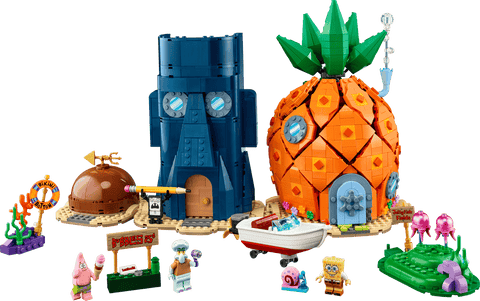 Building Set
LEGO Icons SpongeBob SquarePants: Bikini Bottom (11386)
LEGO Group
 Building Set
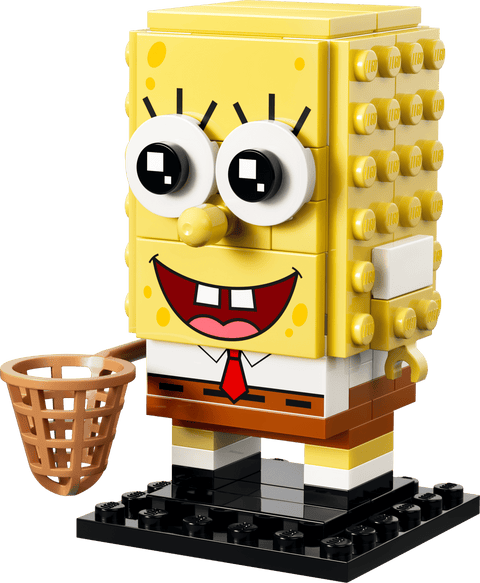
LEGO BrickHeadz SpongeBob SquarePants Figure (40858)
LEGO Group
 Building Set
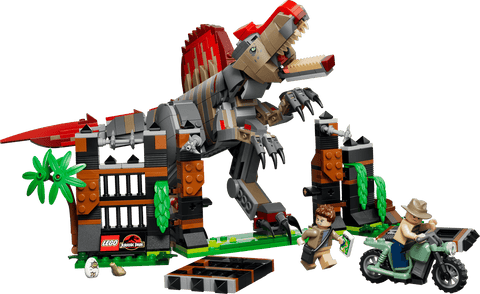
LEGO Jurassic World Spinosaurus Dinosaur Escape (77982)
LEGO Group
 Building Set
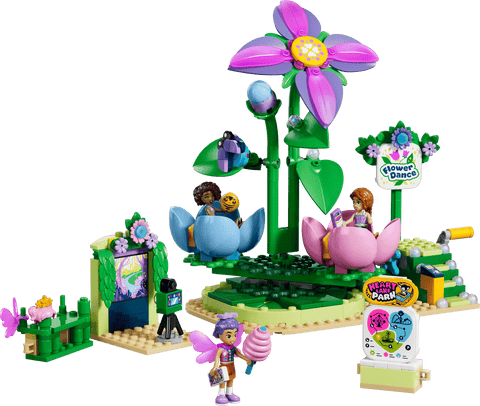
LEGO Friends Spinning Flower and Fairy Teacup Ride (42702)
LEGO Group
 Building Set
LEGO Marvel Spidey: Underwater Vehicles (11207)
LEGO Group
 Building Set
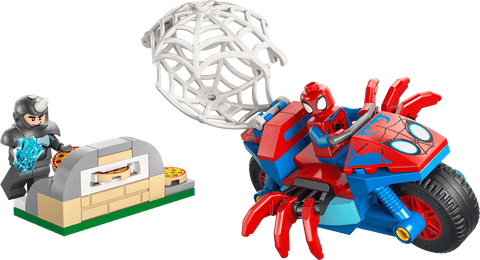
LEGO Marvel Spidey on his Motorcycle vs. Rhino (11206)
LEGO Group
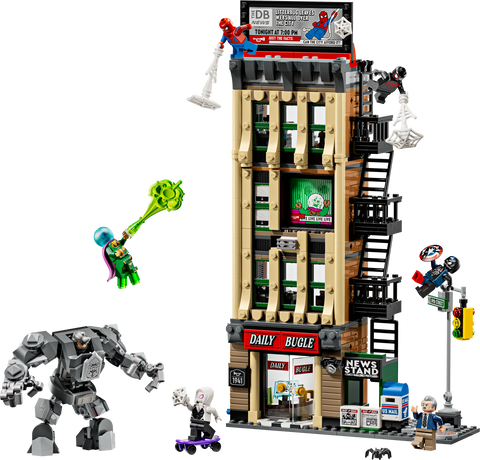 Building Set
LEGO Marvel Spider-Man vs. Mysterio: The Daily Bugle (76342)
LEGO Group
Explore LEGO’s wooden-toy origins, brick and minifigure development, Star Wars partnership and announced Pokémon building models.
From a Danish workshop to a building system
Carpenter Ole Kirk Kristiansen began making wooden toys in 1932. LEGO's early range included cars, airplanes and yo-yos alongside practical household goods. The company name combines the Danish words for 'play well.' Its starting point was a woodworking business, before the plastic construction system that later defined the brand.
The wooden-toy period was a manufacturing story as well as a design story. LEGO's history describes beechwood being dried, shaped, sanded and finished in several stages. In 1937, Ole Kirk invested in a milling machine to improve that work. After a factory fire in 1942, he rebuilt in Billund, and production resumed before the year ended. These episodes explain why early LEGO history concerns workshop methods and persistence, not just the arrival of a familiar plastic brick.
The brick and the minifigure changed the possibilities
On January 28, 1958, the LEGO Group filed its patent application for the stud-and-tube construction principle. Tubes beneath the brick worked with the studs above to improve grip. Stable connections let builders make larger and more varied structures from reusable parts.
The articulated minifigure, introduced in 1978 after earlier figure experiments, added a different possibility. Movable arms and legs gave those structures inhabitants: vehicles could have drivers and buildings could become settings for stories. The brick and minifigure milestones explain two enduring pleasures of LEGO, constructing an object and imagining what happens inside it.
How the figure found its scale
LEGO's official history identifies two important steps before the 1978 minifigure. The 1974 building figure had a decorated yellow head and movable arms, but its torso and legs were assembled from bricks. Set 200 presented a family, including a grandmother. It introduced characters into the building system without yet using the proportions associated with today's minifigure.
Designer Jens Nygård Knudsen then worked on a smaller figure, released in 1975. It was four bricks high, with a blank face and shaped suggestions of arms and legs rather than working limbs. The 1978 design retained that four-brick height, measured without headgear, while adding movable arms and legs.
DUPLO solved a different scale problem
LEGO's development team tested several enlarged brick sizes during the 1960s, including a three-to-one version briefly sold in some European markets. The lasting solution doubled each dimension of the standard brick. Hollow studs allowed standard bricks to connect to the larger pieces, preserving a link between the two scales rather than creating an entirely separate construction system. LEGO patented that connection method in 1967, tested DUPLO in Sweden in 1968 and launched it globally in 1969.
The history also records a naming reversal. Preschool products adopted the LEGO Explore name in 2002, but shoppers became uncertain about compatibility with their existing DUPLO. The company returned to the DUPLO name in 2004 following consumer and retailer feedback. For someone identifying an older box, Explore therefore represents a documented branding period, not by itself evidence of an unrelated manufacturer.
Themes organized the building experience
LEGO's official history describes a 1965 internal survey that found its audience concentrated among younger children and boys. Management wanted to reach a broader range of children and combine construction with imaginative play. The resulting development was not confined to individual new parts: it also changed the way the product range was organized.
A LEGOLAND line introduced in 1970 drew on the Billund park and offered small vehicles and houses. In 1978, Town, Space and Castle gave that approach distinct settings, scaled to the new minifigure. Road-marked baseplates helped join individual buildings and vehicles into environments. Technic, introduced in 1977 for older builders, followed a different direction by incorporating working technical functions. These histories explain why choosing a LEGO theme can involve choosing a kind of activity: creating a populated setting, exploring a mechanism or concentrating on a single display model.
Licensed worlds and a wider audience
LEGO Star Wars was first revealed at the New York International Toy Fair in 1999. Its twenty-fifth anniversary in 2024 brought new models and commemorative elements. The collaboration made a familiar fictional world available through the same construction system used for original LEGO subjects.
LEGO announced its first Pokémon collection for February 2026 with Eevee, Pikachu and Poké Ball, and a combined Venusaur, Charizard and Blastoise display. The announcement listed 587 pieces for Eevee and 6,838 for the three-Pokémon scene. That contrast is more revealing than the shared franchise name: one model concentrates on a single creature, while the other brings three evolved Pokémon into a substantial group display.
Where the product range is heading
LEGO's 2025 collection exceeded 860 products. Its March 2026 report named City, Technic, Star Wars, Icons and Botanicals among the most popular themes, and identified the first Formula 1 partnership products as a 2025 development. The range combines everyday settings, mechanisms, fictional worlds and decorative subjects.
From piece count to a finished display
Pikachu and Poké Ball, set 72152, offers another kind of comparison. LEGO's announcement describes a 2,050-piece model that can show Pikachu seated with a closed ball or leaping from an open one. Its base incorporates 25, Pikachu's Pokédex number. The construction offers both a quiet portrait and a dramatic action display.
FAQs
How do the first LEGO Pokémon sets differ?
The 2026 launch included individual Eevee and Pikachu subjects as well as a combined Venusaur, Charizard and Blastoise display. The announced piece counts ranged from 587 for Eevee to 6,838 for the three-Pokémon model.
Sources
Pre-orders
Pre-orders are open
Reserve upcoming releases before they land. Full refund any time before it ships.