
Collection
Kubo and the Two Strings Collectibles & collecting guide
Pre-order: Kubo and the Two Strings
All pre-orders →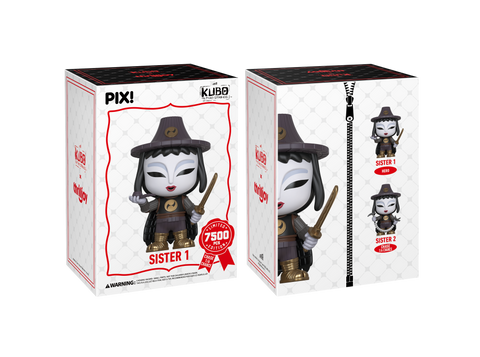

Explore Kubo collectibles through LAIKA’s fantasy storytelling, the shamisen, and contrasting Thrilljoy PIX! and Youtooz plush interpretations.
A fantasy built around storytelling and family
Kubo and the Two Strings offers a collecting theme centered on a particular film rather than an open-ended character universe. Comcast’s contemporary 2016 film introduction identifies LAIKA as its studio and places the adventure in a fantastical Japan. Kubo earns his living telling stories before a threat from his family’s past sends him on a quest. His magical shamisen connects music with the action, giving an instrument unusual importance in the film’s visual identity.
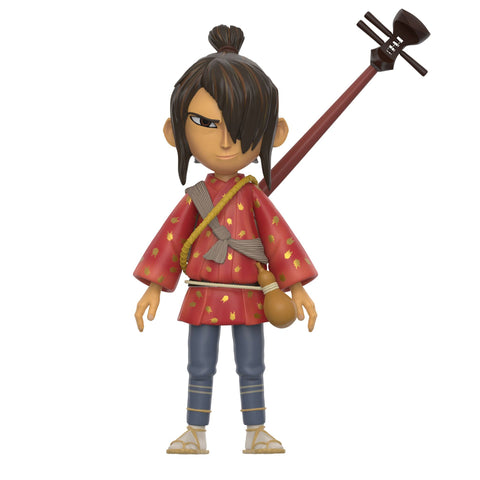
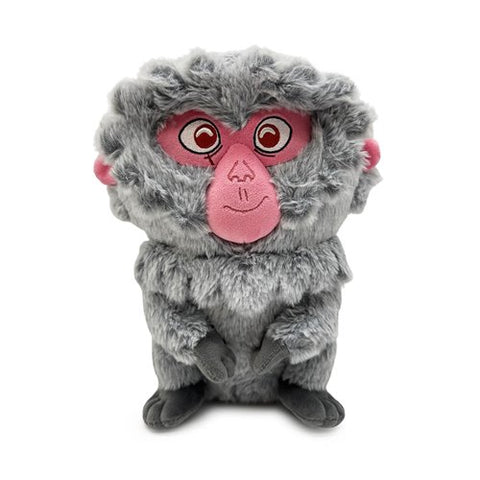
The catalog contains three distinct interpretations: PIX! Kubo: 2026 Summer Event, PIX! Sister 1: Washi, and Satiaru Plush (9in). Together they bring a protagonist, an opposing figure, and a guardian-like plush presentation into view. They do not reproduce the full cast or the complete story. A useful collection can focus on those contrasts while leaving the film’s deeper family revelations for the viewing experience itself.
From the 2016 film to later collectible formats
The American Film Institute credits Travis Knight as director, Marc Haimes and Chris Butler as writers, and Arianne Sutner and Knight as producers. Comcast’s August 2016 introduction announced the theatrical arrival for August 19 and presented the film in the context of LAIKA’s stop-motion work. These are concrete production and release milestones, not claims that the retail collectibles are original animation puppets or objects used on screen.
The products belong to later stages of the film’s life as a collectible subject. Youtooz lists April 25, 2025 for its Satiaru plush, while the exact Thrilljoy Kubo catalog title identifies a 2026 Summer Event edition. Preserve those product distinctions rather than treating every Kubo object as a simultaneous release. The appeal here is how a film’s character shapes and story objects continue to invite interpretation in materials and presentation systems different from the original animation.
The instrument keeps the protagonist recognizable
PIX! Kubo: 2026 Summer Event presents the boy holding his shamisen. Thrilljoy describes long brown hair tied in a bun, a red robe, blue pants, and straw sandals. The instrument is especially useful as an identifying detail because it connects the collectible directly with the film’s musical storytelling rather than relying only on a face or costume. This is the specific event-labeled product in the catalog, not a generic claim about every Kubo figure.
When planning a display, make sure the instrument remains visible. It provides a visual explanation of the character’s role even for someone encountering the piece without a caption. Keep the full edition title in your records, and compare the actual pictured version before assuming that similar packaging or a related character name identifies the same release. A film-themed collection benefits from that precision just as much as a collection organized by manufacturer.
Washi uses concealment and contrast
PIX! Sister 1: Washi provides a darker counterpoint. Thrilljoy describes a white Noh mask, short black hair, a black straw hat, and samurai-style armor, with a katana and pipe held as part of the character presentation. The mask and hat are important visual anchors: the face is deliberately concealed, producing a very different relationship with the viewer from the open expression of a protagonist figure.
The product title identifies Sister 1 specifically. It should not be expanded into a claim that the listing contains both Sisters or that all masked characters from the film are interchangeable. In a paired display with Kubo, the contrast between a musical instrument and a masked, armed silhouette can suggest the adventure’s tension without recreating a particular scene. Give the hat enough visual clearance so that its outline does not disappear against neighboring dark objects.
A guardian image translated into plush
Satiaru Plush (9in) changes both the manufacturer and the physical language of the collection. Youtooz describes a seated nine-inch plush with a pink face, brown eyes, gray fur, long arms, and dark gray hands and feet. Its materials include minky fabric, long-pile faux fur, and PP cotton filling. The softness and visible fur create a different viewing experience from the two PIX! character presentations.
Use the catalog’s exact Satiaru title when searching or keeping records, while recognizing that a retailer’s product naming is not a reason to add unsupported character biography. The piece can be appreciated through its protective expression and material contrast without revealing the film’s family twists. When arranging it beside boxed collectibles, leave space for the fur and seated body instead of compressing it into a gap intended for a rigid rectangular display. Similar franchise branding does not mean identical storage needs.
Let the different formats serve the story
Thrilljoy describes its Kubo and Washi PIX! presentations as suitable for hanging or stacking, with a collector’s card. That encourages a different layout from a free-standing plush. A display might use the two related PIX! products as a structured backdrop and give Satiaru a separate position, or keep the formats apart entirely. The best arrangement is the one that lets each character’s defining details remain visible.
Product pages can also discuss chase possibilities, but those descriptions should not be converted into a promise about the exact version in a local listing. Compare the item shown and any stated variant directly. A strong Kubo collection does not depend on chasing every possible version: the instrument, mask, and furry guardian already offer three distinct ways into the film’s imagery. Preserve the particular names and formats, and allow their contrasts to tell a compact story rather than assuming they were designed as one matched set.
FAQs
Are these collectibles original LAIKA animation puppets?
No such claim is made by the cited product descriptions. These are later Thrilljoy and Youtooz collectibles interpreting the film’s characters, distinct from the production materials used to create the movie.
Does Sister 1: Washi include both of the film’s Sisters?
The catalog entry and manufacturer page identify Sister 1: Washi as one character presentation. Do not read the broader film theme as an indication that a second figure is included.
Sources
Pre-orders
Pre-orders are open
Reserve upcoming releases before they land. Full refund any time before it ships.