
Collection
Kidrobot Collectibles & collecting guide
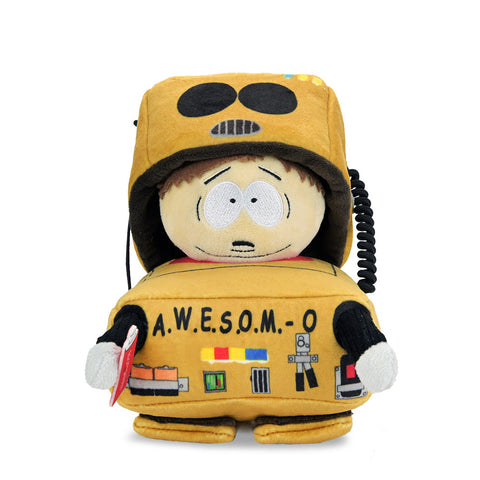 Plush figure
Kidrobot AWESOM-O Cartman 7.5-Inch Phunny Plush
Kidrobot
 Plush figure
Kidrobot Barrel 7.5-Inch Phunny Plush
Kidrobot
 Plush figure
Kidrobot Appa 7.5-Inch Phunny Plush
Kidrobot
 Plush figure
Kidrobot Art the Clown 7.5-Inch Phunny Plush
Kidrobot
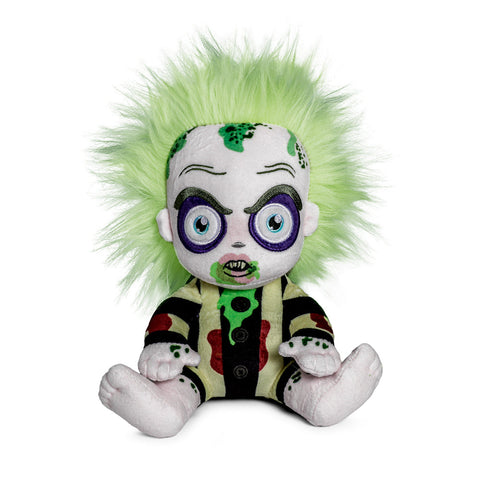 Plush figure
Kidrobot Baby Beetlejuice 7.5-Inch Phunny Plush
Kidrobot
 Plush figure
Kidrobot Amy Rose 7.5-Inch Phunny Plush
Kidrobot
 Pre-order
KidRobot KRAK 8" KidRobot Dunny Figure
KidRobot
 Pre-order
KidRobot DUNNIBAL 8" Dunny Figure
KidRobot
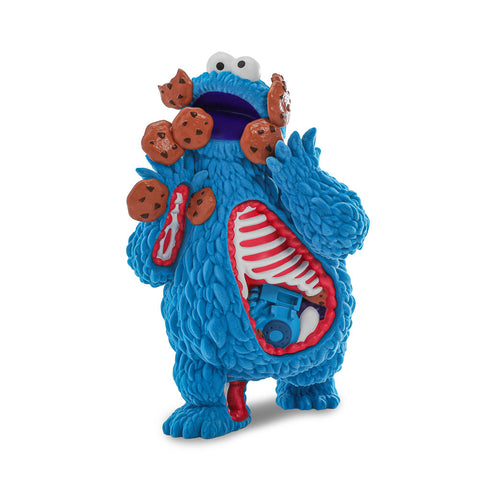 Pre-order
Kidrobot Junko Mizuno Kaiju Cookie Monster 8" Dunny
KidRobot
 Pre-order
Kidrobot KYUUBI 8" Dunny Figure
KidRobot
 Pre-order
Kidrobot Amber Dunny 8-Inch Resin Art Figure
KidRobot
Explore Kidrobot art toys, Dunny history, customizable MUNNY figures and Phunny plush, with practical advice for comparing designs and editions.
A collectible can be an artist’s medium
Kidrobot approaches the collectible as a meeting place between sculpture, illustration and conceptual art. Its official introduction emphasizes collaboration with artists and designers, as well as the pleasure of an unexpected visual idea. That makes the artist's treatment central to understanding a piece. The attraction may lie in a pattern, a joke, a material contrast or a familiar shape transformed by an unfamiliar perspective, rather than in reproducing a character exactly as it appeared on screen.
The artist credit is especially important when the base shape repeats. It identifies whose choices produced the pattern, expression and surface treatment that distinguish one edition from another.
Dunny gave changing artwork a recognizable form
Kidrobot's Dunny timeline traces the original design to a 2002 sketch by Tristan Eaton. It records an early ToyCon appearance in 2004, followed by a miniature series using blind boxes. The same history marks later collaborations with Swatch in 2011 and the Andy Warhol Foundation in 2016, before a twentieth-anniversary collection by Eaton in 2024. These documented milestones show a platform continuing to attract different interpretations, rather than a single design remaining unchanged.
Dunny holds the platform relatively constant so changes in artwork become conspicuous. Following one artist across different objects asks the reverse question: which features of that artist's style persist when the underlying shape changes?
In Kidrobot's 2024 interview, Eaton links his toy-design background with urban art and credits Paul Budnitz as a collaborator. For the anniversary Still Life Dunny, he turned the platform into an autobiographical arrangement of objects, working with sculptor Kelly Barfield.
An anniversary can revisit the designer as well as the design. Here the familiar body becomes a container for personal references, rather than simply receiving a commemorative logo.
Museum collaborations extend the design conversation
The Met x Kidrobot collection commemorates The Metropolitan Museum of Art's one hundred fiftieth anniversary through Dunny interpretations inspired by its permanent collection. The official collection includes references to artists such as Hokusai, Monet and Van Gogh, with different sizes presented within the range. This collaboration is a concrete example of museum imagery moving onto a three-dimensional collectible platform. It does not make the object an original work by the historical artist whose painting inspired it.
Wrapping a flat image around Dunny's curves changes the composition. A face or landscape detail can become a focal point on the front while other passages move around the sides.
MUNNY puts the creative decision in your hands
MUNNYWORLD takes a different approach from a finished artist edition. Kidrobot describes the figures as blank three-dimensional surfaces intended for drawing, painting and other customization. The range includes different sizes, colors and styles, and some versions include accessories. The object is therefore a starting point for your own design rather than a finished image you are expected to preserve unchanged.
MUNNY shifts the artist's role to the owner. Planning across front, sides and back becomes part of the activity, rather than something already resolved by a commissioned designer. A customized figure should be described as its maker's own work, distinct from an official artist edition.
Phunny translates familiar characters into soft forms
Kidrobot's Phunny range brings its character interpretation into plush. The official collection describes a deliberately playful treatment of creatures and horror personalities, using softness to change how those figures are encountered. Mystery Collective's catalog includes Phunny entries such as Shadow and Maria, Good Guy Chucky and Stitch designs inspired by Elvis. These examples show why the Kidrobot name alone is not enough to establish an item's material or intended presentation.
The Shadow and Maria pair, standing Chucky presentation and Elvis-themed Stitch costumes show three uses of plush: a relationship between characters, an upright portrait and a costume-led variation. Softness is a shared material choice, not a uniform subject or composition.
Three different roles for creative choice
Dunny, MUNNY and Phunny put creative decisions in different places. Dunny editions invite artists to work on a recognizable platform; MUNNY leaves that surface to the owner; Phunny changes familiar characters through plush.
A collection comparing these approaches can be organized around the idea behind the object rather than a vague category of art toys. Platform, artist and title are the identifiers that preserve those distinctions.
Material can also become the subject. In Kidrobot's 2019 interview about the five-inch New Money metal Dunny, Eaton described a deliberately excessive treatment of wealth, using chains, gold teeth and a heavy, reflective object. This is a specific metal edition in the wider Kidrobot range, not a reason to describe every shiny Dunny as metal. The visual joke relies on the relationship between the compact toy shape and an ostentatious finish.
Placed beside Still Life, New Money shows two directions within one artist's work: outward satire and a more personal collection of symbols. Neither is explained adequately by color alone. The title, material and artist's account identify what the design is doing, while the repeating Dunny silhouette allows the contrast to remain visible.
FAQs
Are Dunny and MUNNY the same kind of product?
They are distinct Kidrobot platforms. Dunny is associated with designed editions, while MUNNYWORLD offers blank figures intended for customization. Read the exact product description for its format.
Does Kidrobot only make vinyl art figures?
No. Its range also includes Phunny plush. Material, dimensions and packaging should be checked for the individual release rather than inferred from the brand name.
Sources
Pre-orders
Pre-orders are open
Reserve upcoming releases before they land. Full refund any time before it ships.