
The Collector’s Shelf
Avatar: The Last Airbender
Explore Avatar’s character design, martial-arts reference and storytelling through Appa figures and plush, an Appa and Momo foil, and Chibi Zuko.
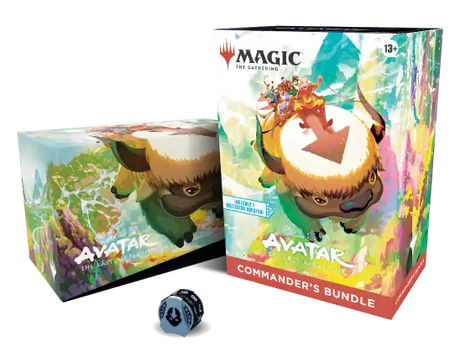
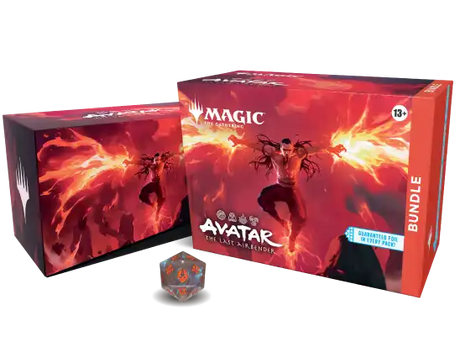
Pre-order: Avatar: The Last Airbender
All pre-orders →
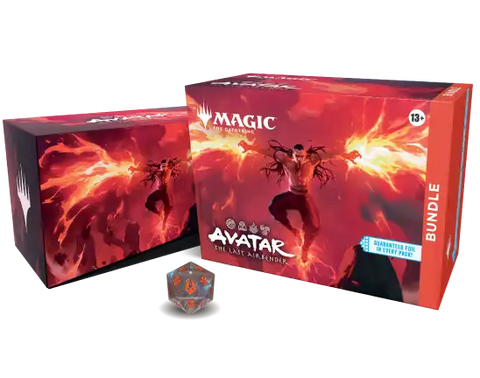
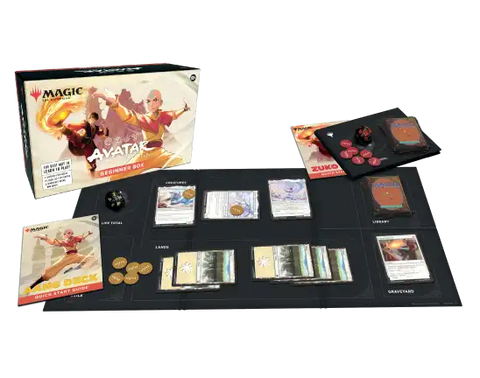
 Vinyl Figure
Avatar: The Last Airbender Suki Youtooz Vinyl Figure
Youtooz
$29.99Sold out Vinyl Figure
Avatar: The Last Airbender Ronin Momo Youtooz Vinyl Figure
Youtooz
$29.99Sold out Vinyl Figure
Avatar: The Last Airbender Momo Youtooz Vinyl Figure
Youtooz
$29.99Sold out Vinyl Figure
Avatar: The Last Airbender Blue Spirit Youtooz Vinyl Figure
Youtooz
$29.99Sold out Vinyl Figure
Avatar: The Last Airbender Azula Youtooz Vinyl Figure
Youtooz
$29.99Sold out Vinyl Figure
Avatar: The Last Airbender Appa Standing Youtooz Vinyl Figure (8in)
Youtooz
$39.99Sold outExplore Avatar’s character design, martial-arts reference and storytelling through Appa figures and plush, an Appa and Momo foil, and Chibi Zuko.
A fantasy adventure built around sincere characters
Avatar: The Last Airbender’s original Nickelodeon animation ran from 2005 to 2008 across three seasons. Its central conflict places the returning Avatar against the Fire Nation’s expansion. That adventurous framework supports a surprisingly intimate catalog selection: Appa in figure and plush form, Appa beside Momo in an illustration, and a compact portrait of Zuko.
Co-creators Michael Dante DiMartino and Bryan Konietzko met at the Rhode Island School of Design, where Konietzko helped animate DiMartino’s senior film. Their later experience on animated sitcoms sharpened what they wanted to make together. In a 2007 interview, Konietzko described wanting emotionally sincere genre storytelling rather than another comedy built around parody. Hayao Miyazaki’s Princess Mononoke helped renew his enthusiasm for animation, while Cowboy Bebop offered an example of varied tones working within one series. The resulting mix of comedy, adventure and emotional stakes helps explain why companions and conflicted characters can carry as much appeal as spectacular elemental powers.
The drawings began with pencils and paper
Character designer Angela Mueller’s account of the production gives Avatar’s clean silhouettes a practical history. She joined as a character layout artist, then moved into character design midway through the first season under Konietzko. Her interest in action-adventure drawing, anime and relatively realistic proportions suited the project. Learning his style involved fine adjustments to small features, including hands and noses, rather than merely copying a costume or hairstyle.
The workflow was physical: Mueller drew with mechanical pencils, cleaned up the drawings on the paper and scanned them for digitization. Her later move to drawing directly on a Cintiq for The Legend of Korra makes the difference especially clear. Storyboard artist and director Ethan Spaulding also recalled being impressed by the attention given to environmental details, including moss on rocks in an early short. Avatar’s visual identity therefore emerged at several scales, from a character’s facial construction to the small background textures that make a place feel inhabited.
Bending was choreographed before it was animated
Martial-arts consultant Sifu Kisu came to Avatar through an existing teaching relationship: Konietzko had studied Northern Shaolin with him. Kisu describes a process built around filmed demonstrations, not motion capture. Scripts established what a scene needed; he and Konietzko discussed possible actions, tested movements on camera and revised the ideas together.
Further sessions recorded specific movements from the angles required by the teleplay and storyboards. This gave the animation team usable reference for an action’s mechanics and its presentation to the viewer. Kisu drew on forms and applications from his teacher’s curriculum, bringing a physical vocabulary to imaginary elemental effects. For Toph’s distinctive approach, he brought in Sifu Manuel Rodriguez to demonstrate Southern Praying Mantis. These collaborations explain why a bending pose can communicate more than a spectacular effect. The movement has an underlying structure, and different characters can express themselves through different ways of applying force, timing a gesture or holding their bodies.
Three ways to give Appa a presence
Appa and Momo share a performer as well as a journey: Dee Bradley Baker’s official biography credits him with voicing both creatures. Their identities also translate into quite different physical objects. Youtooz’s Samurai Appa is a 4.1-inch figure with a teeth-baring expression, red samurai clothing and three weapons distributed among four hands. Its forest-themed box and outer sleeve’s elemental imagery extend the design beyond the figure itself.
Kidrobot’s Appa 7.5-Inch Phunny Plush takes another approach, using soft plush and embroidered details to represent the flying bison. The contrast is between an action-oriented costume treatment and a tactile companion. The Avatar The Last Airbender Appa and Momo Silver Foil adds a third approach by placing both creatures in one flight image. Across these objects, costume, softness and a shared composition each foreground a different aspect of the same familiar companions.
Silver becomes an image surface and a shaped portrait
Agoro’s Appa and Momo foil uses full-color artwork against a metallic silver background. The reverse-side design described by APMEX brings the companions together in flight; the other face includes an Air Nomad temple and an engraved reference to Appa’s familiar flight command. The one-ounce, .999-silver format combines color artwork with the reflective material itself. Its Niue seal and issue information occupy the identifying side, while the airborne pair supplies the main character image.
The catalog’s 2025 Niue NickToons Avatar The Last Airbender Chibi Zuko 1 oz Silver Proof Coin also uses one ounce of .999 silver, but changes the object’s outline. APMEX describes a shaped, colorized portrait of Prince Zuko in Fire Nation clothing, presented in a windowed Avatar-branded box. Rather than spreading an adventure across a rectangular image, the Chibi treatment concentrates attention on a single character. The two Agoro designs use the same franchise and material to make noticeably different kinds of illustration.
Zuko’s complexity developed through collaborative writing
The compact Zuko portrait points back to one of the series’ most deliberately developed characters. In a 2008 interview, Konietzko said Zuko had always been intended to undergo the greatest change. DiMartino explained that the creators had planned the trilogy’s major story landmarks, but many connecting details emerged as the writing team expanded the initial ideas into a full series.
That collaborative process also reshaped the people around him. Iroh began as a much stricter teacher figure; head writer Aaron Ehasz helped make him more human, and Mako’s performance brought warmth and empathy to the role. Toph changed substantially too, moving from an early muscular male concept to the young girl Ehasz advocated. These accounts reveal character design as more than drawing an instantly recognizable face. A character’s relationships, temperament and performance could change during development, giving the finished images an emotional history beyond their visual shorthand.
FAQs
Is this the same selection as Magic: The Gathering’s Avatar set?
No. This Avatar theme covers the four character collectibles discussed here. The catalog lists Magic: The Gathering | Avatar: The Last Airbender separately for trading-card products.
Which Appa collectible includes Momo?
The Agoro Appa and Momo Silver Foil depicts them flying together. Samurai Appa and the Kidrobot Phunny plush each center on Appa.
Sources
- Paramount Global Content: Avatar The Last Airbender
- Youtooz Samurai Appa
- Kidrobot Appa Phunny Plush
- APMEX: Agoro Appa and Momo foil design
- Animation World Network: Bryan Konietzko on creating Avatar
- The Animation Guild: Bending the Rules production interviews
- Kung-fu Kingdom: martial-arts consultant Sifu Kisu interview
- Toon Zone: Konietzko and DiMartino on Avatar’s evolving story
- APMEX: Agoro Chibi Zuko design
- Disney General Entertainment Press: Dee Bradley Baker biography
Pre-orders
Pre-orders are open
Reserve upcoming releases before they land. Full refund any time before it ships.