
Grading & Authentication
Ultimate Guide to Authenticating and Grading Collectibles in 2026
By Mystery CollectiveJune 26, 2026
Introduction
In the world of collectibles, authenticity and condition are king. As a collector, understanding how to grade and authenticate your items can significantly impact their value and your overall collection strategy. This guide will walk you through the intricacies of authenticating rare figures, grading cards from various trading card games (TCGs), and spotting fake collectibles. Whether you're a seasoned collector or new to the hobby, this resource will provide you with actionable insights to elevate your collection.
Why Grading and Authentication Matter
Grading and authentication are crucial in determining the value of your collectibles. A graded item not only assures potential buyers of its condition but also often increases its market value. Authentication helps in verifying the originality of a collectible, protecting you from counterfeit items that plague the market.
How to Grade Collectibles
Understanding Grading Scales
Grading scales vary by collectible type, with TCGs often rated from 1 to 10. A higher grade typically means a higher value.
- PSA Grading Guide: Known for its strict standards, PSA grades TCG cards by examining centering, corners, edges, and surface.
- BGS vs PSA 2026: BGS offers subgrades which can provide a more detailed insight into the card's condition, while PSA is often preferred for its market recognition.
- CGC Grading Guide: CGC is expanding its presence in the TCG market, known for its consistent grading standards.
Preparing for Submission
Proper preparation can prevent damage and ensure the best possible grade:
- Clean: Use a microfiber cloth to gently clean the surface of the card.
- Sleeve: Place the card in a penny sleeve and then a top loader.
- Packaging: Secure in a bubble mailer or small box to prevent movement.
Authenticating Rare Collectibles
Spotting Fake Collectibles
Counterfeits are a significant issue in the collectibles market. Here’s how to spot the fakes:
- Box Tells: Check for inconsistencies in fonts, labels, and alignment.
- Weight & Finish: Fake Funko Pops, for example, often have weight discrepancies and a different finish from authentic ones.
- Palworld OCG Fake Cards: Look for poor print quality and incorrect holographic finishes.
Tools for Authentication
- UV Lights: Useful for detecting discrepancies in ink and paint.
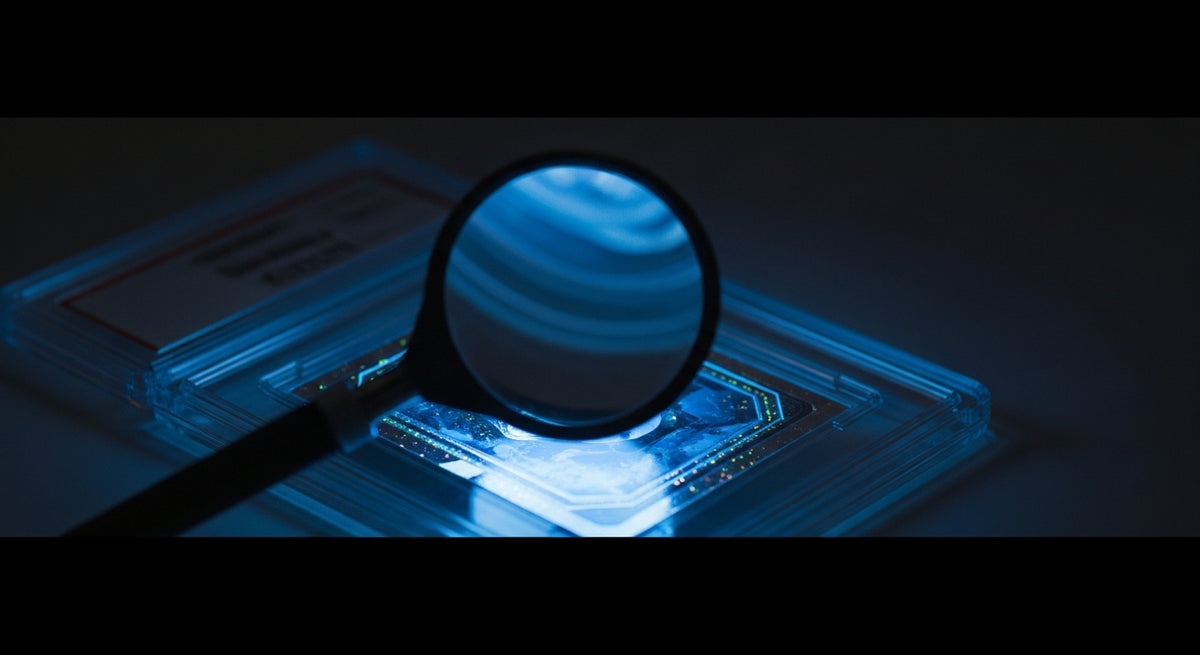
- Loupes: Magnifying tools to examine details closely.
Grading Specific Collectibles
Indie TCGs: Riftbound, Vibes, and More
- Riftbound TCG Grading: Early collectors should weigh the cost-benefit of grading due to market volatility.
- Saturday Morning Cards Slab: Consider the collector base and rarity when deciding to slab these cards.
Action Figures and Art Toys
- AFA Grading for Vintage Action Figures: AFA provides a standard for assessing the condition and completeness of figures.
- Youtooz Authentication: Verify authenticity by checking holographic stickers and serial numbers.
Economic Considerations
Graded Card Value
Grading can substantially increase the value of a card. However, the cost of grading should be justified by the potential increase in value.
- Economics of Grading: Consider market demand and rarity before submitting a card for grading.
Turnaround Times and Costs
- PSA: Known for long turnaround times but high resale value.
- BGS: Faster turnaround with detailed subgrades.
- CGC: Competitive pricing and turnaround times.
Key Takeaways
- Grading and authentication elevate your collection’s credibility and value.
- Familiarize yourself with grading scales and prepare your items meticulously before submission.
- Use tools like UV lights and loupes to detect counterfeits.
- Consider the economics of grading and choose the right service for your needs.
For more detailed guides and to find the latest MysteryCollective rare items, be sure to visit MysteryCollective.com regularly.
Ready to Start Collecting?
Browse the catalog, ask a question, or tell us about a collection you want to sell.